Stories
Working learners’ experiences can help us see what’s working, what’s getting in the way, and what needs to change.
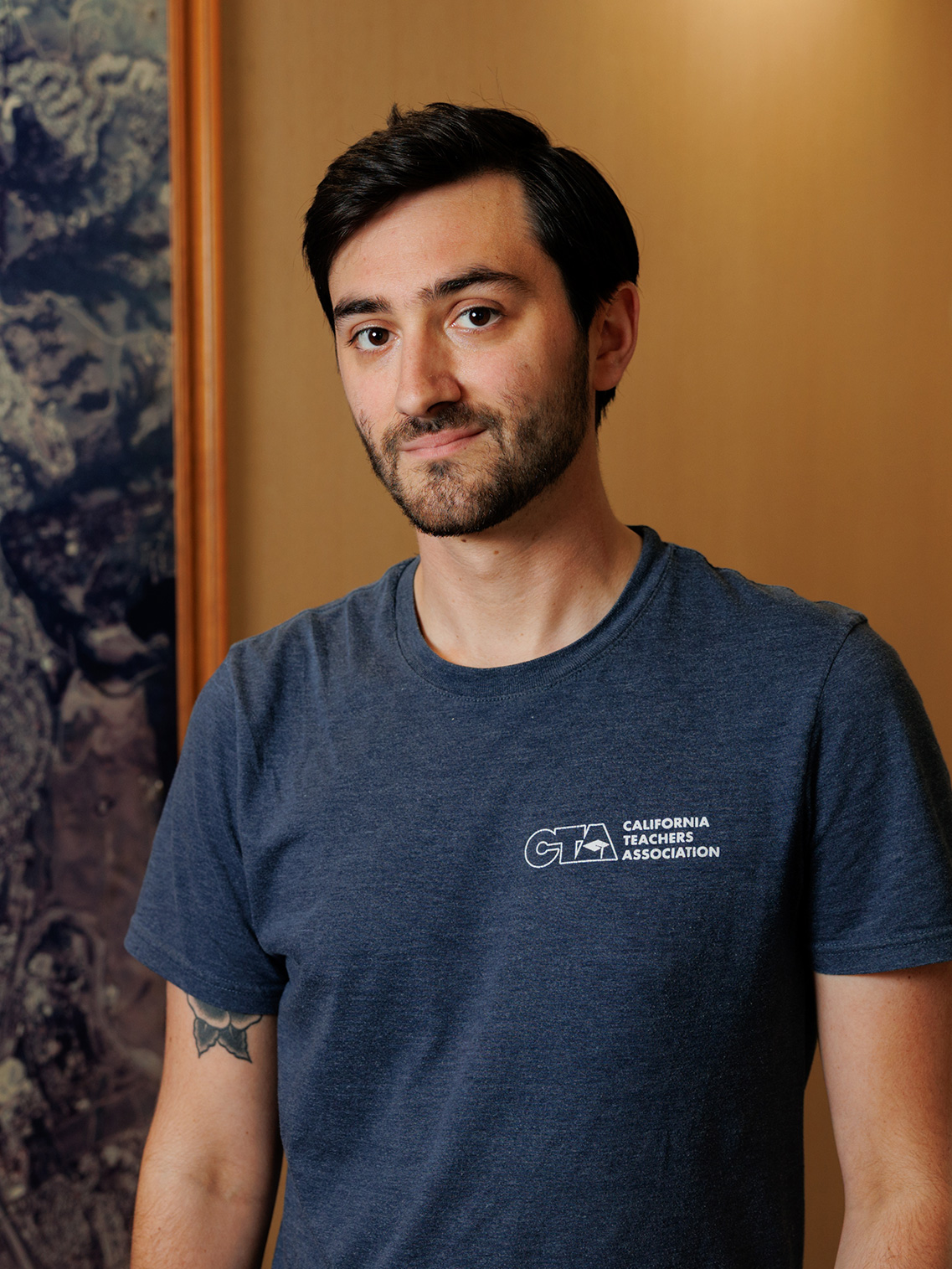
James Aguilar
26, San Leandro
“People are working, people have children, people are going back to school after having careers. The traditional four-year pipeline just doesn’t reflect reality anymore. I want the next governor to invest more in Cal Grant, treat two-year colleges like the lifeline institutions they are, expand apprenticeships and hands-on pathways, and actually put funding behind making higher education work for people’s real lives."
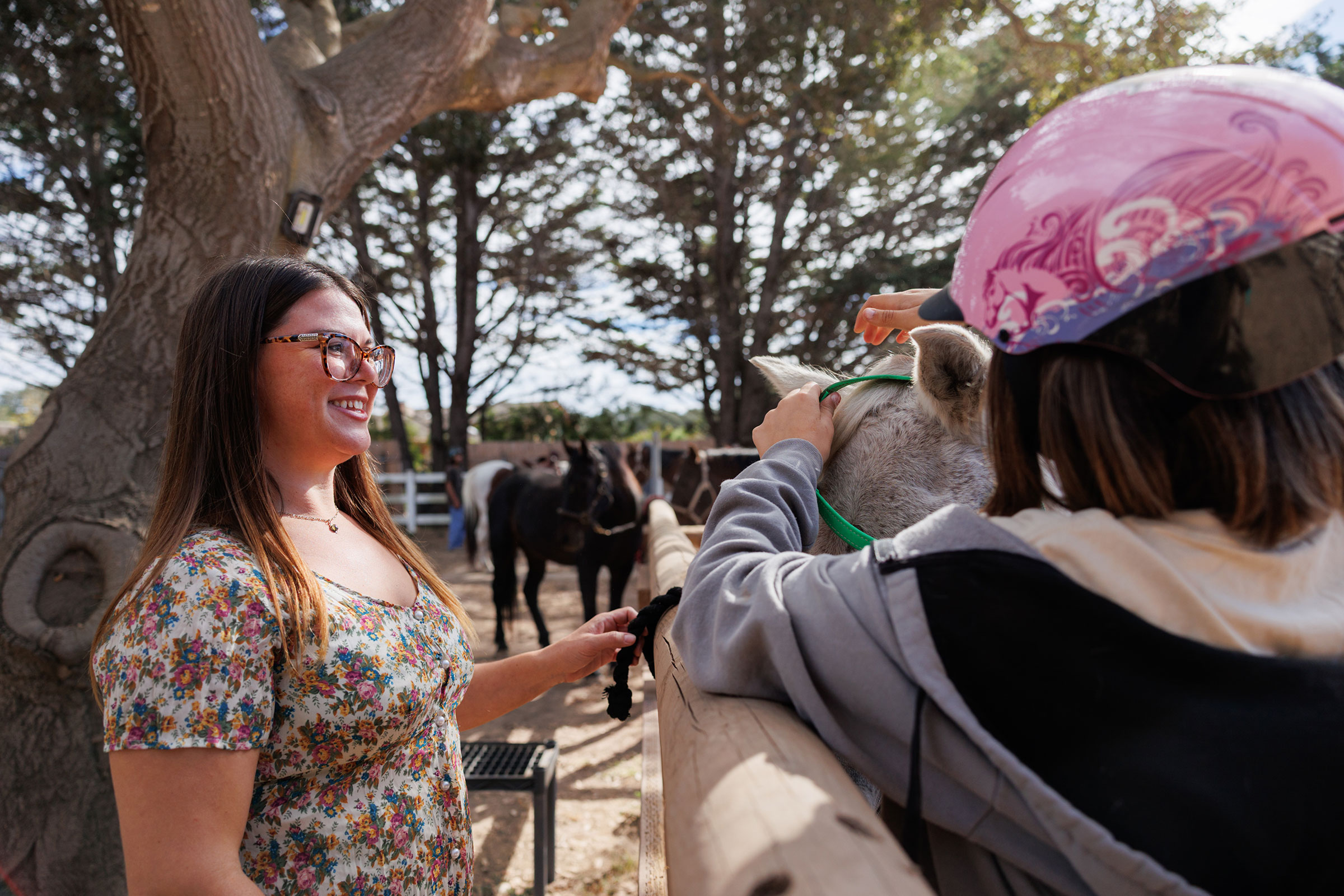
Chelsea Crabtree
35, San Luis Obispo
"I believe California should be and can be a national leader in making higher education more accessible to autistic students. This would require more data collection and measurement of this population. Autism is sometimes an invisible disability on campuses and this population needs more support and visibility. I would like to see a California autism in higher education Initiative, dedicated state funding for autism awareness, faculty/staff training, neurodivergent student-success programs, high school to college transition services, and research across UC, CSU, and community colleges.”
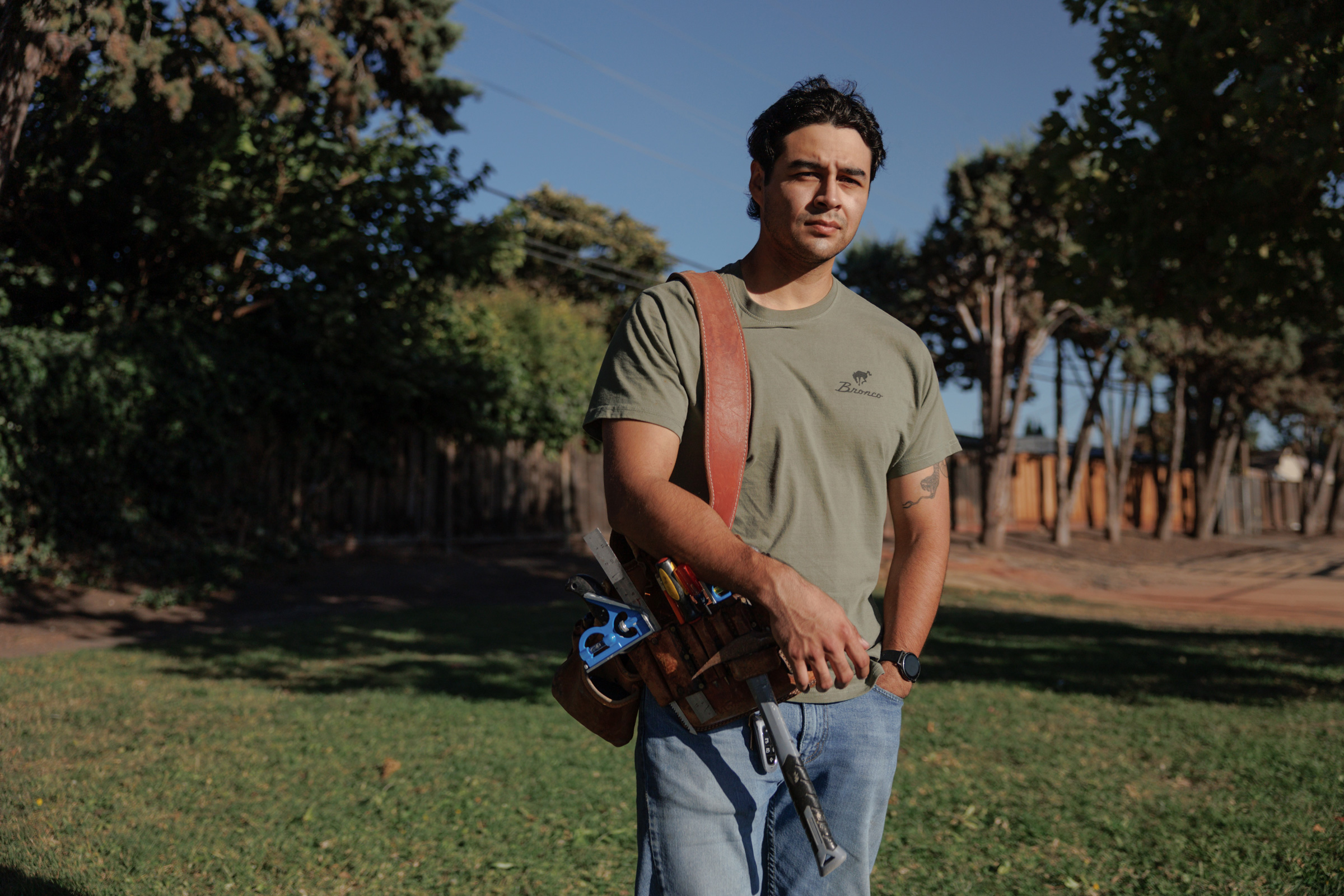
Max Gonzalez
25, San Jose
“Make career and apprenticeship pathways clearer and easier to access, so people aren’t left figuring out on their own how to turn education into a job.”
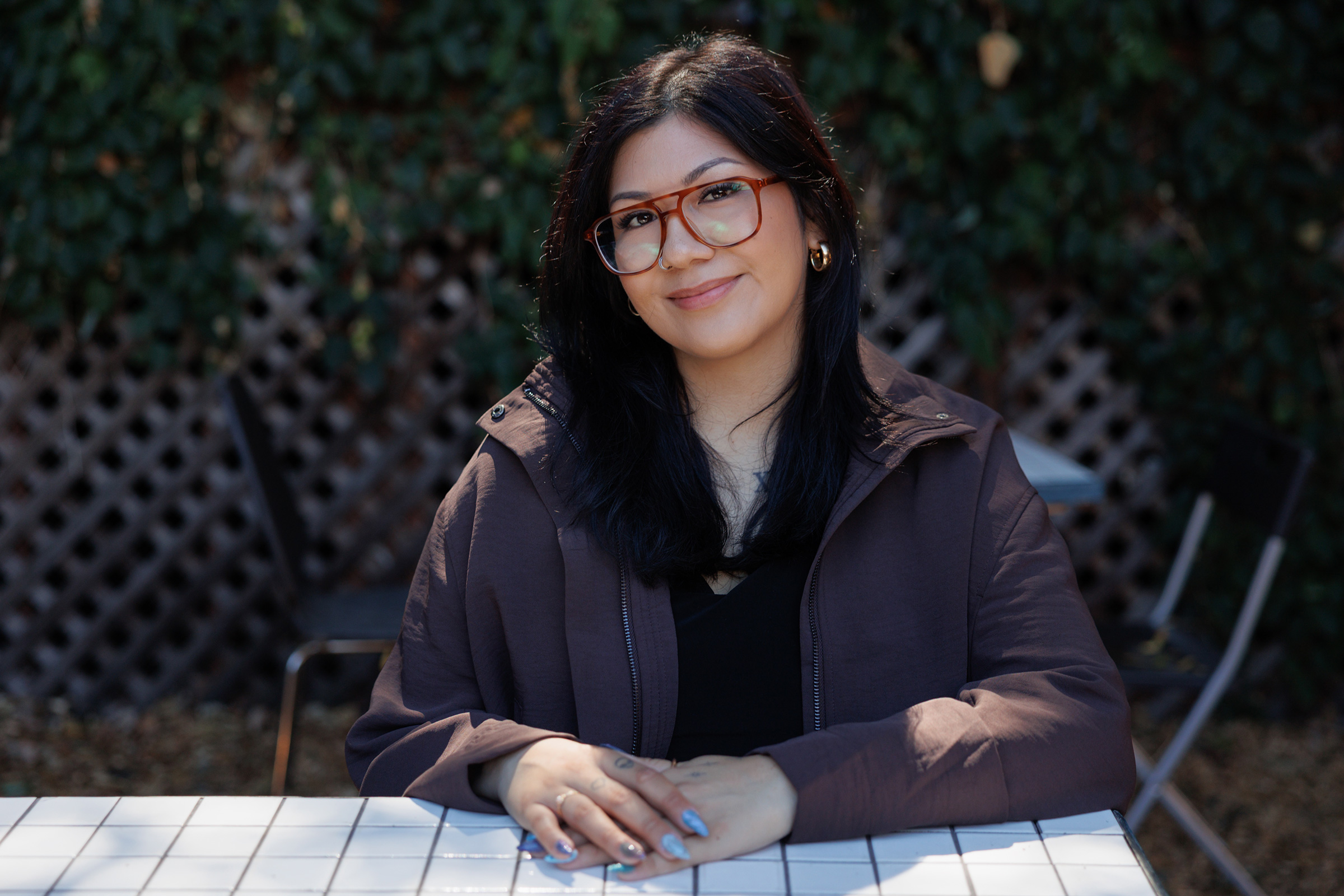
Cassy Benitez
34, Richmond
“We’re leading tomorrow. All these people that are trying to change the world and don’t have the ability to. We’re living everything that we’re trying to change and we’re part of that puzzle. We just need access. We need accessibility into higher education.”
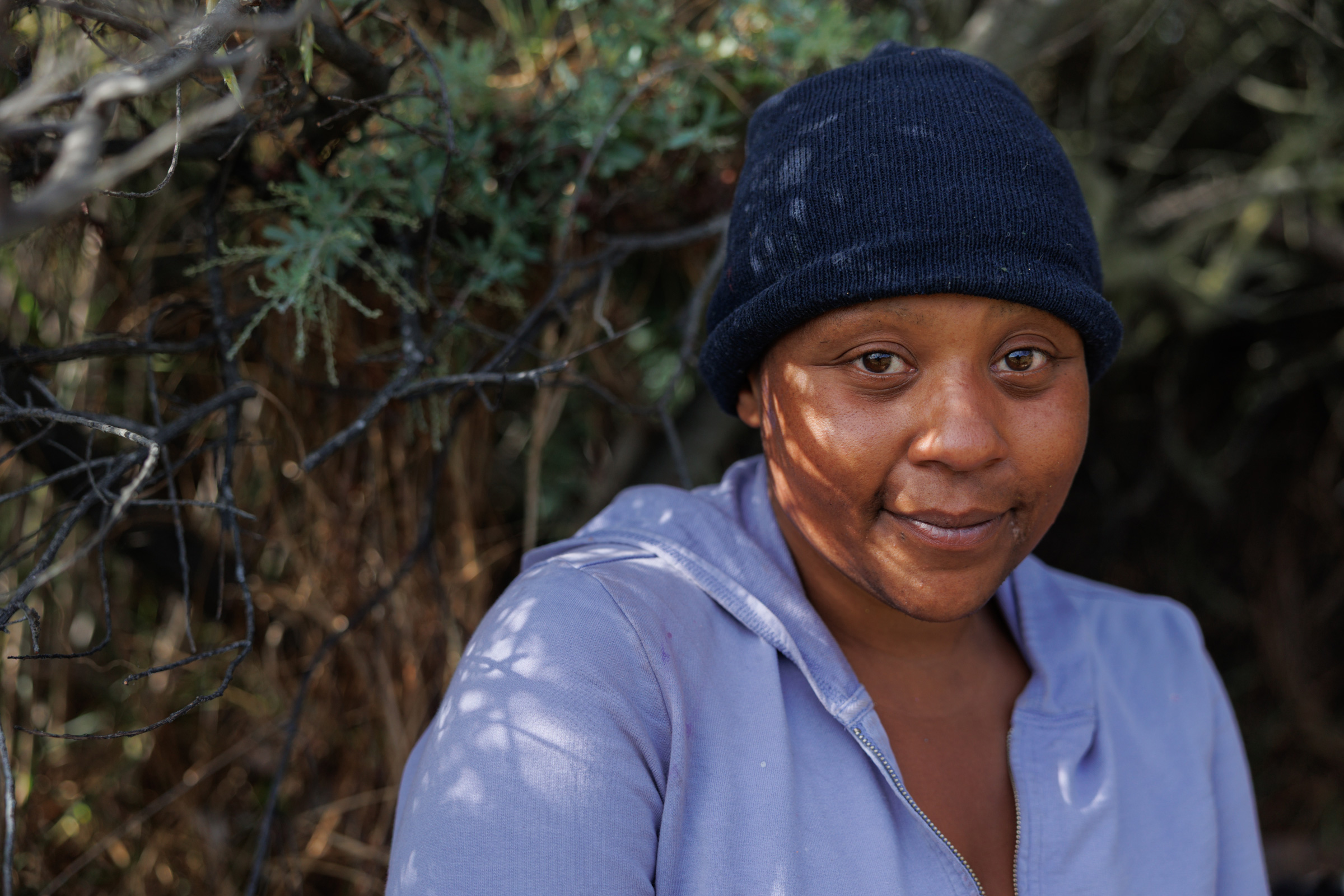
Amber Berry
33, Berkeley
“Invest in people to give them real stability. Education should help people become the fullest version of themselves. And to the next governor, anyone who has power and the ability to invest: Why can’t things just be provided for? Why can’t there be social services that are affordable?”
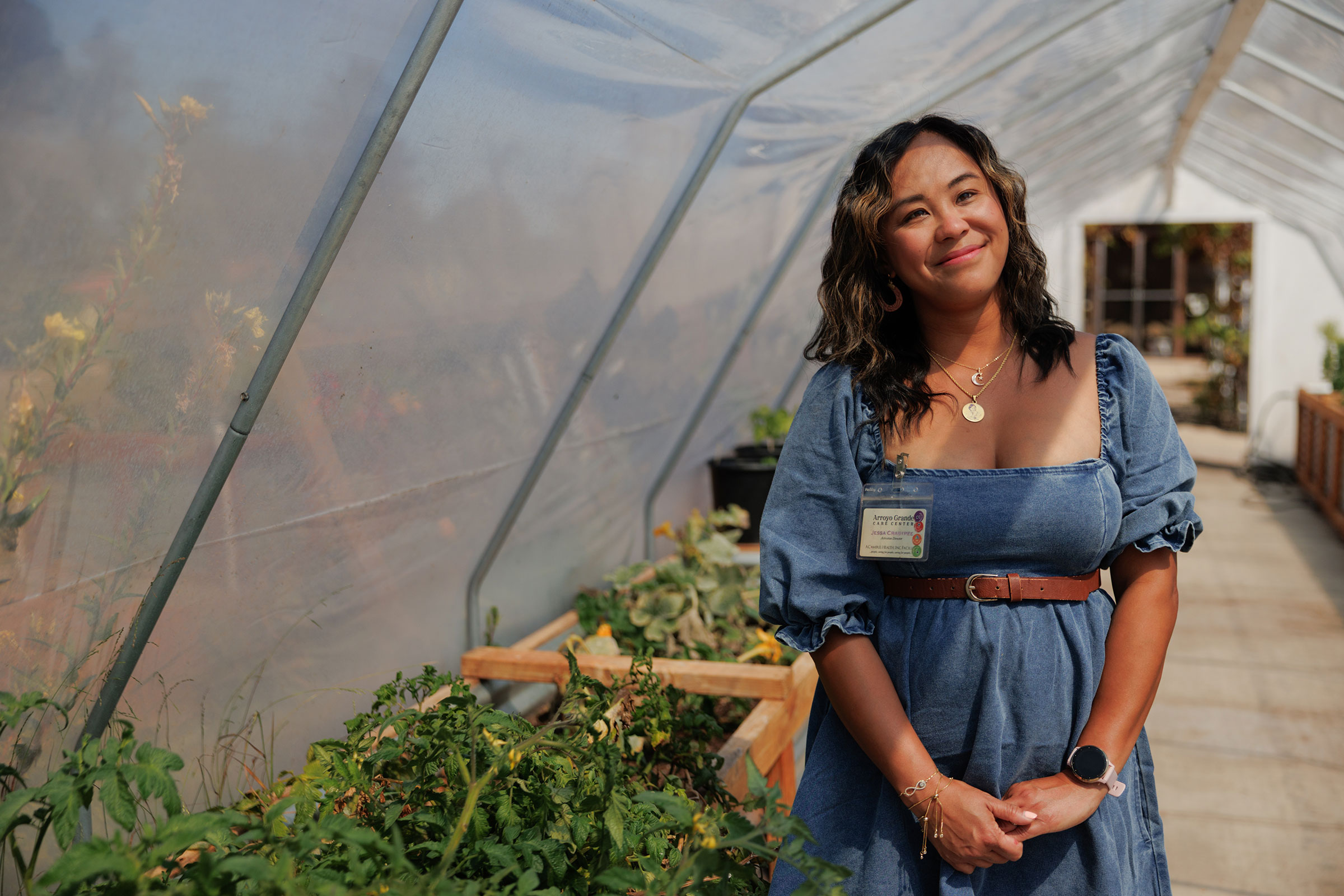
Jessa Jagonese
32, Arroyo Grande
"Higher education should not only be designed for traditional full-time students. It should support working parents and other non-traditional students who are trying to advance their education. I would like to see more flexible online and evening courses, affordable childcare options, and greater financial support for part-time students who work full time. I would also like to see counties partner with employers that are willing to offer part-time or full-time positions with flexible schedules, remote or hybrid options when possible, and hours that work around school and childcare needs.”
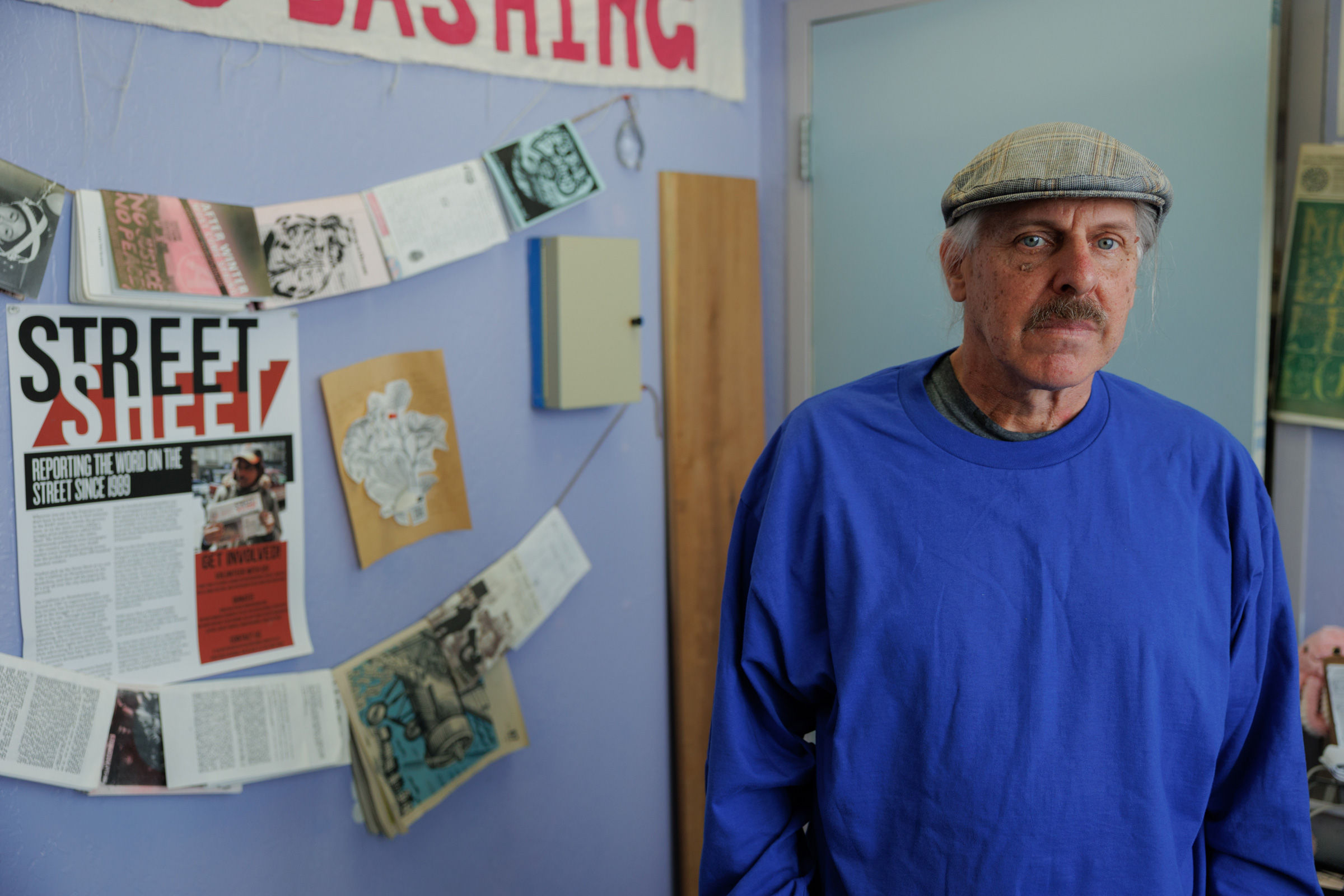
TJ Johnston
60, San Francisco
“I think, basically, we need to invest more in vocational programs and make sure people actually know what resources are available to them. Because education can only take you so far if wages stay flat and housing keeps getting more expensive.”
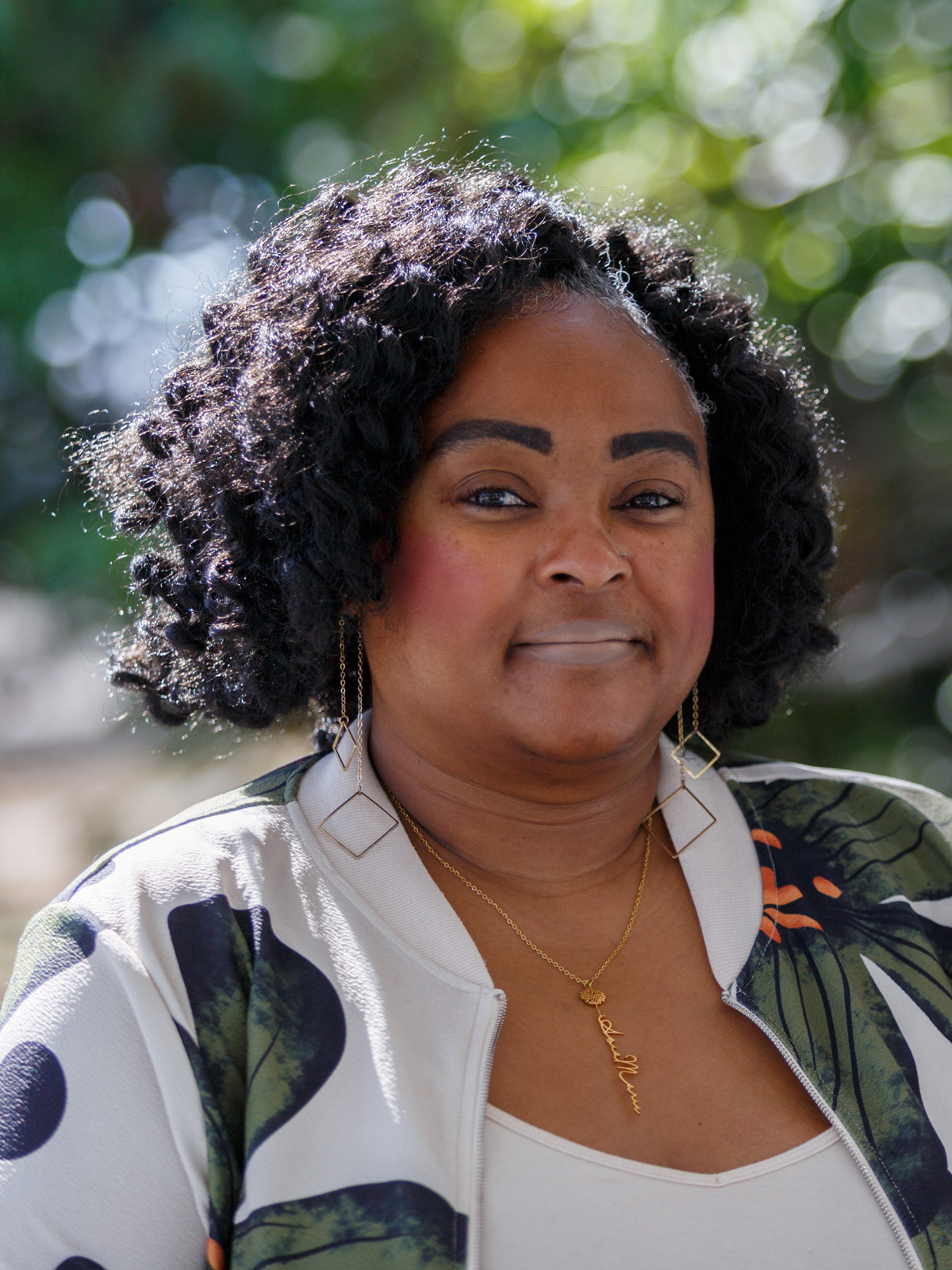
Asia Page
43, Vallejo
“I was able to go back to school through Rivet while still working and handling everyday life, and it showed me that it is never too late. I want other people to know they can do it too, but the truth is that college is still too expensive and hard to access for many people. If you become governor, what will you actually do to make higher education more affordable and accessible for working adults, parents, and people from communities that are often overlooked, so everyone has a real opportunity to earn a degree?”
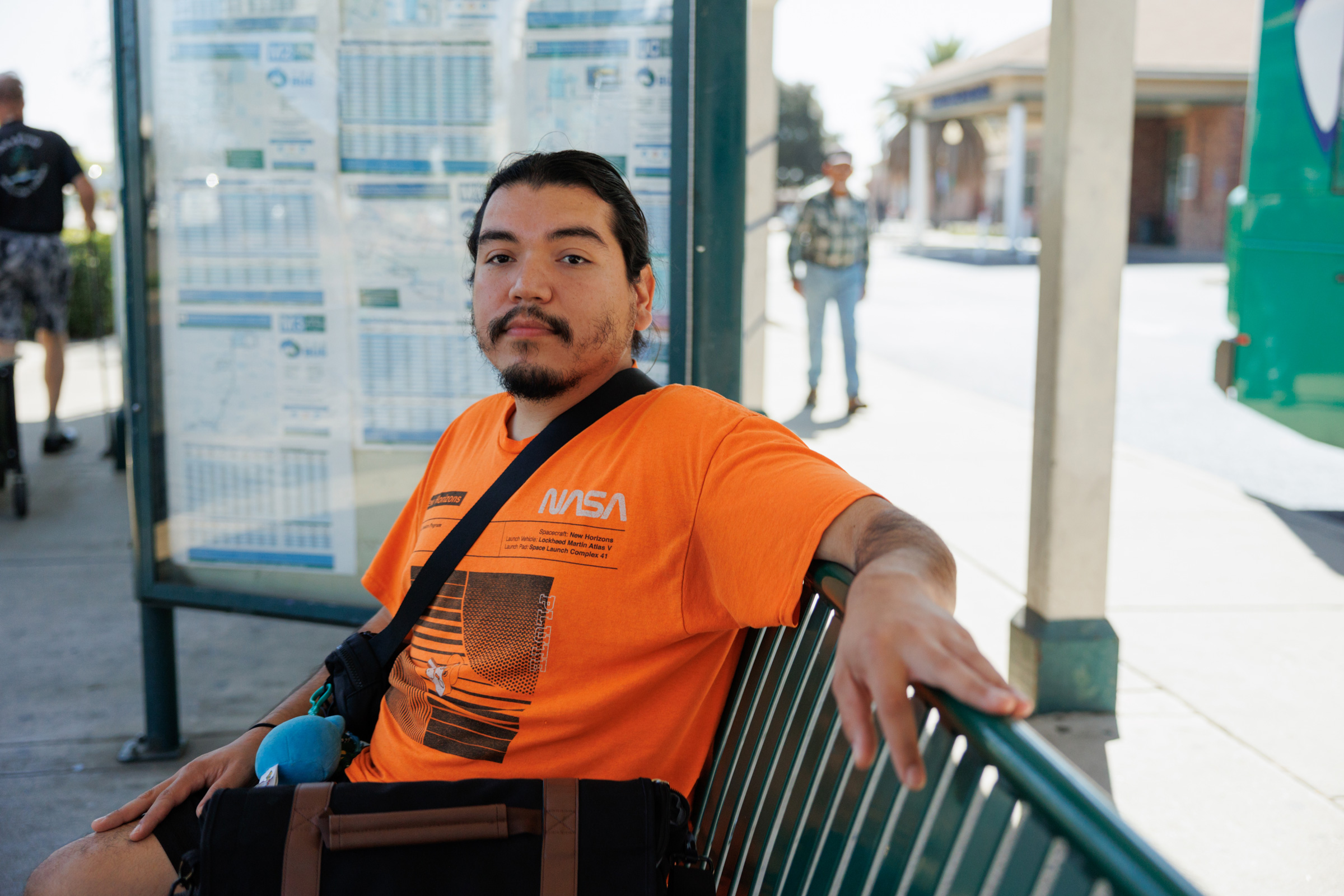
Arnold Rocha
33, Los Banos
“I don’t think throwing money at the problem for optics is the solution. It wasn’t because I didn’t try. It was just because I didn’t have the time to look around for those things. I hope the next governor looks at how funding can directly improve the experience of students and teachers.”
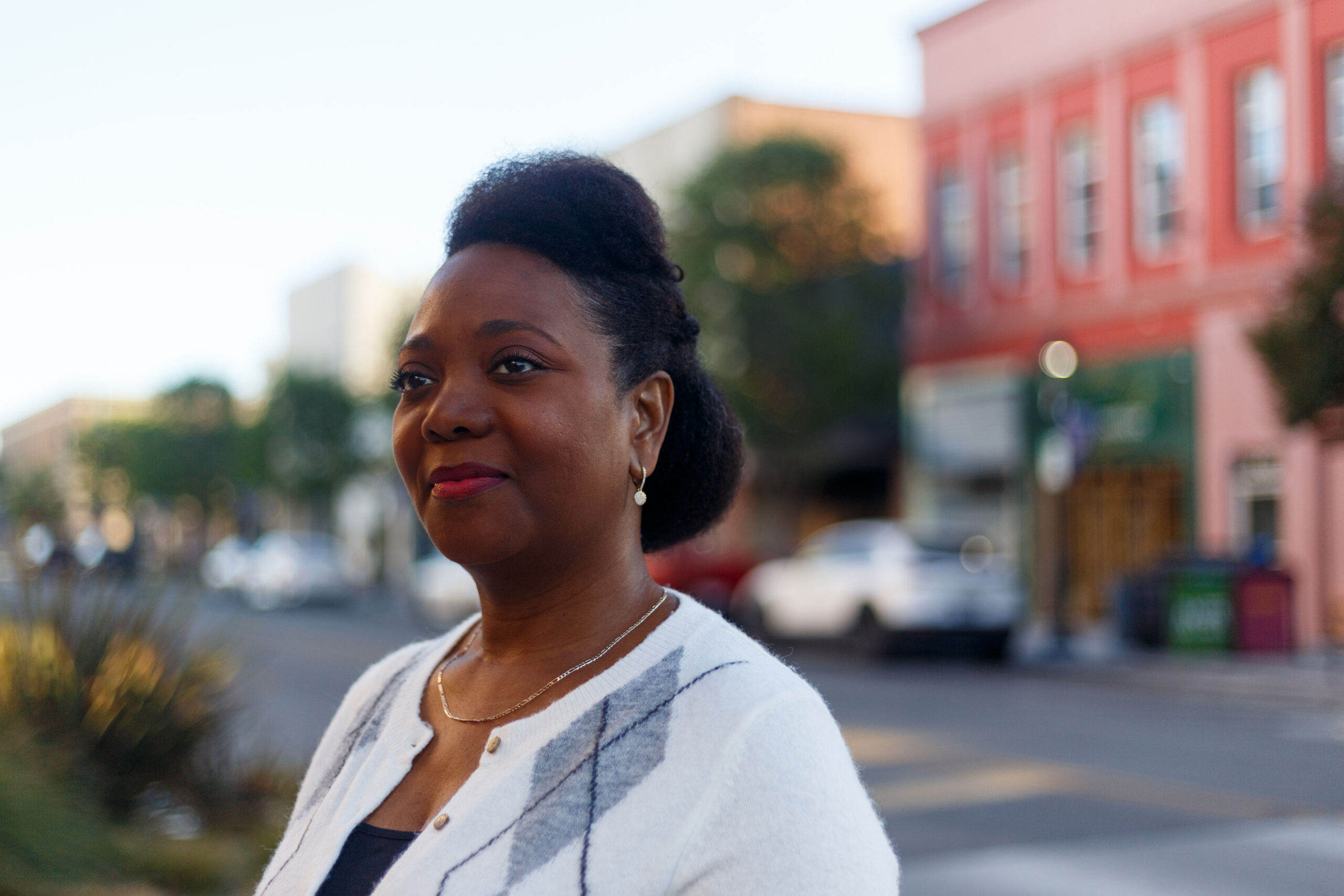
Dee Williams
51, Salinas
"My question is, is it important that I get through the semester and get a grade, or is it important that I really take in the work? Different people learn in different ways. I’m hopeful that California is more open to people being able to say, ‘Hey, I learn visually, I learn orally, I learn through doing,’ or ‘I have autism, I have this, I have that.’ None of that should knock someone out or cause someone not to be able to get a grade that really reflects their level of understanding because they couldn’t do it in eight to twelve weeks. … We have the capacity and the desire to accommodate all sorts of learners.”
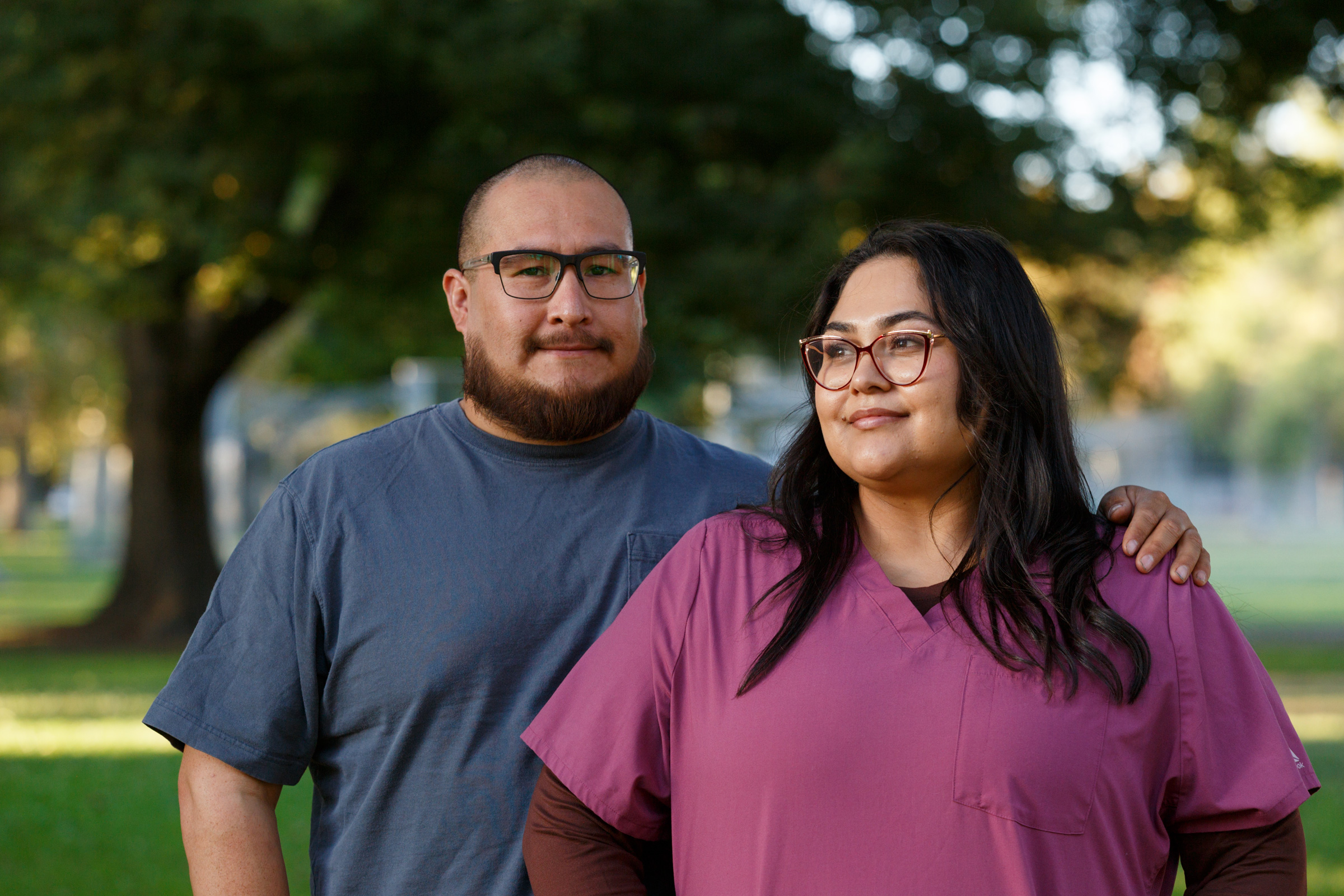
Angela and Javi Rios
33 and 25, Sacramento
“Make education more accessible for working families. People shouldn’t have to wait three years or pay $150,000 just to move forward in their careers. We need affordable, flexible programs that let people keep working, support their families, and improve their lives now. Not years from now.”
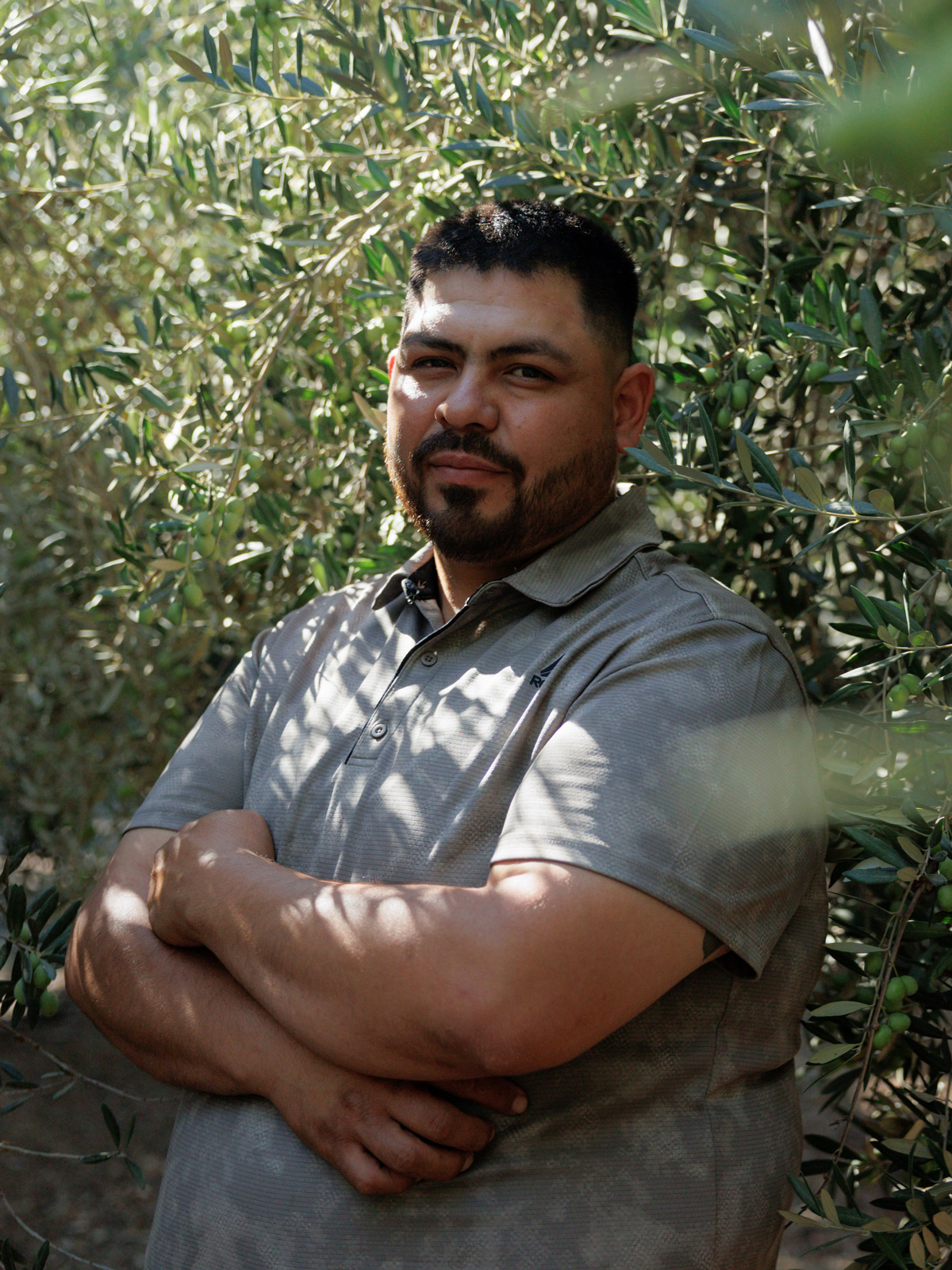
Rigoberto Salazar
35, Corning
“When you're an adult returning to school, the real cost of college isn't always the tuition. It's the time. As someone working in agriculture, it is incredibly frustrating to sit in an introductory class to relearn the exact same skills I execute on a job site every day. If we could streamline our path by proving competency and testing out of what we already know, it changes everything. Every semester we spend taking redundant classes is time taken directly away from our kids. At the same time, we need massive state support for programs like HELO and heavy equipment maintenance. These programs are absolute lifelines for highly motivated individuals who simply do not have the schedule or capacity for a traditional multi-year degree. The outcomes from these hands-on programs are amazing. They immediately set working adults up for a better life and family-sustaining wages without making them jump through unnecessary academic hoops. Moving toward competency-based education and funding these intensive trade programs wouldn't just accelerate our path to graduation. It would fundamentally respect our lived experience and give us that irreplaceable time back with our families.”
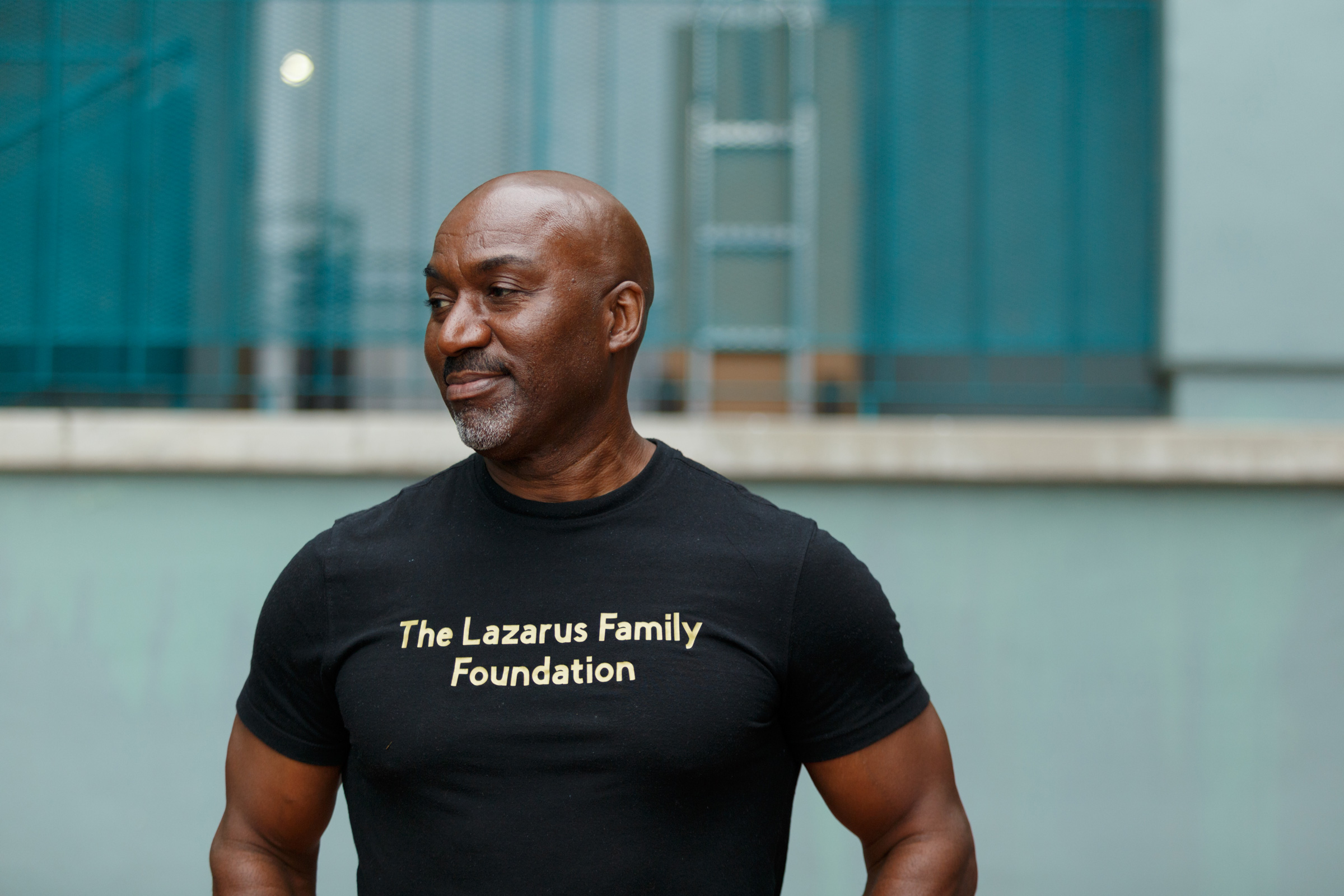
Kevin Wilson
60, Berkeley
"I came out of San Quentin and I want to know why my life was easier than these people living on the street. Many of them work, many of them are well educated. I want to ask, 'Why are we designing systems that people are dutifully a part of, and still they're living on the streets? Can we not do better?'"
What Working Learners Show Us
Explore stories that reveal what's possible when education is designed around the realities of people's lives.
Aligning Education with Good Jobs
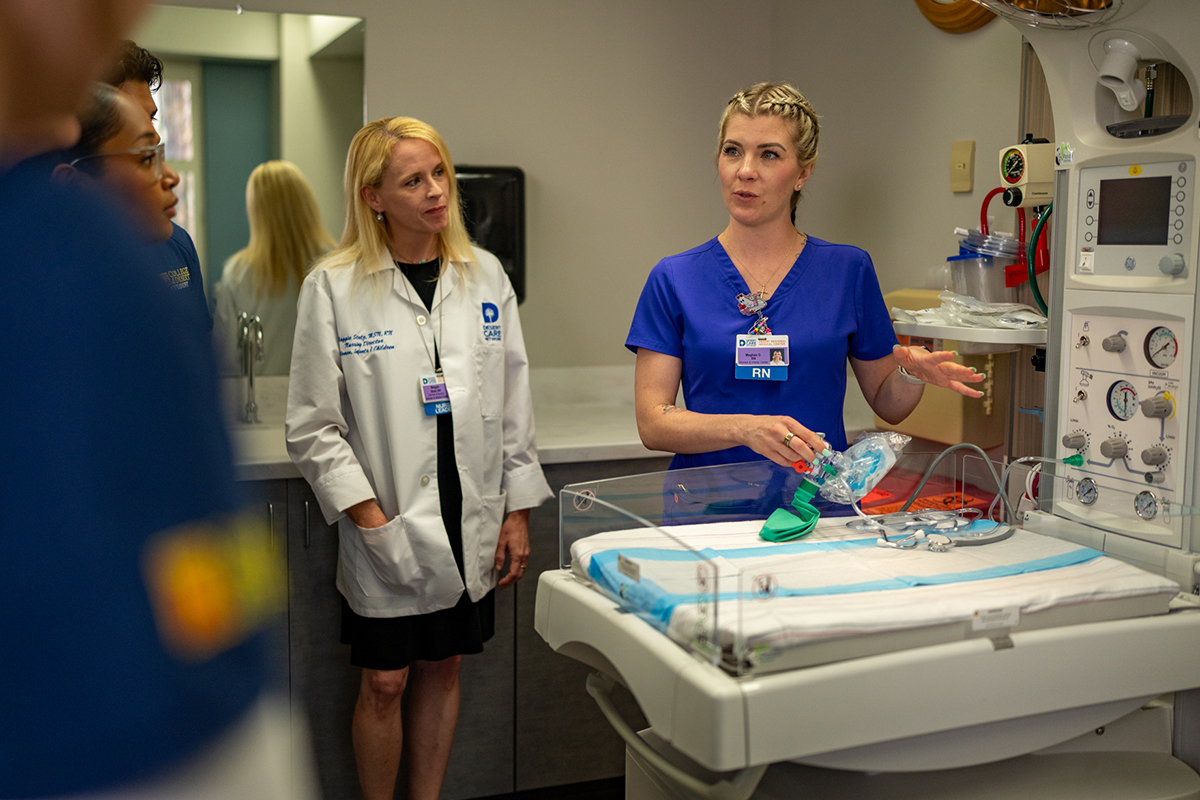
In the Coachella Valley, healthcare employers, educators, and community partners are working together to address a nursing shortage by expanding local training and building financial, academic, and personal support around learners. The story shows what can happen when education is designed backward from good jobs, and around what working learners need to complete a credential and move into those jobs.
The Long Way Back to the Classroom
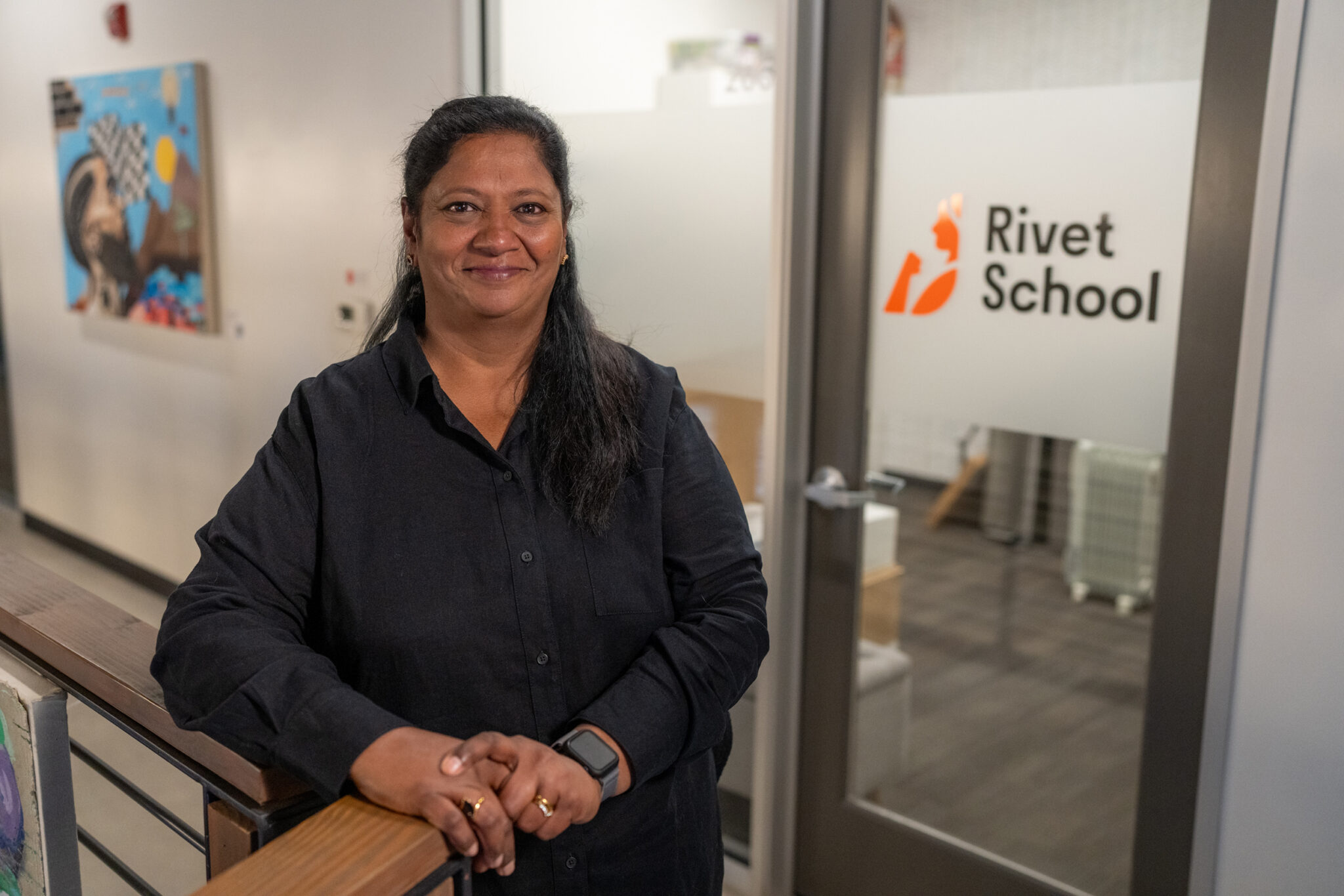
After working for 16 years in Sri Lanka, Fahima spent 15 years finding her way back into the classroom in the United States after discovering that her previous degree and work experience did not count. As a full-time learner, she also had to balance three jobs, childcare, and household responsibilities. Her story highlights the need to recognize prior learning and make education flexible enough to fit the realities of working learners’ lives.
What We Count as Learning Could Be Holding California Back
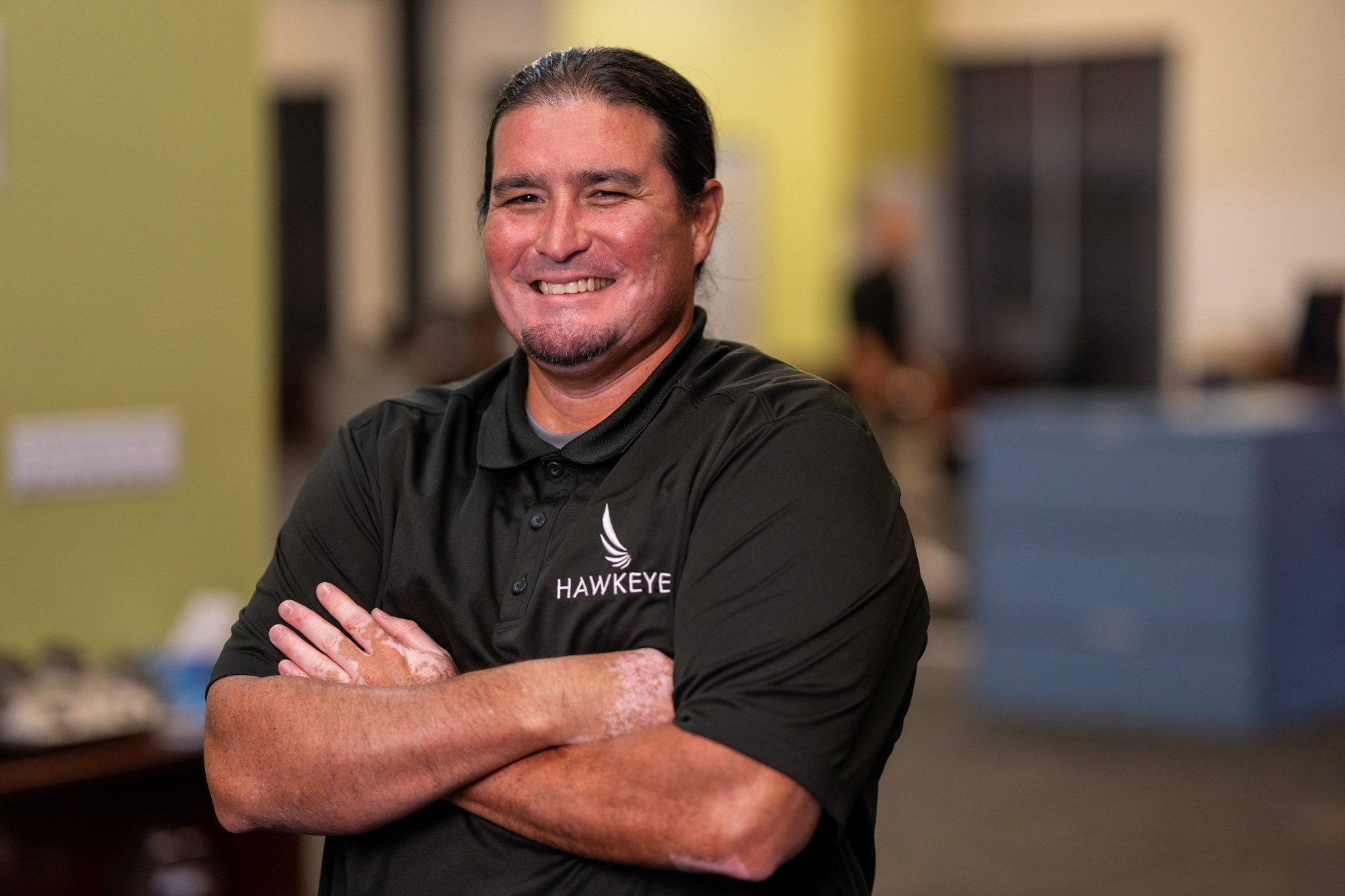
Steven spent three decades building skills through work, education, volunteering, and his Indigenous community, but much of that learning did not easily translate when he entered new jobs or school settings. His story explores what California loses when credentials become the primary proof of what someone knows and what might be unlocked if people received credit for learning wherever it happens.
What Employers Are Doing
Explore examples of how employers and industry partners are making it possible to learn, work, and advance.